The first post in 2016 was a review of a fashion show. Since then I’ve reviewed many exhibitions and books, explored different historical themes and examined the interconnections between history and contemporary politics (with political crises in the background: the growth of facism, war, pestilence and climate disaster).
I am proud of the many articles I’ve published but a combination of the challenging context, and a need on the one hand to slow down and a desire to explore new opportunities on the other, means that I will likely stop posting monthly articles this year.
If you want to follow my progress, please join me on social media. I am currently active on BlueSky.
I thought I would finish, highlighting some of my favourite posts (in chronological order).
- Basquiat
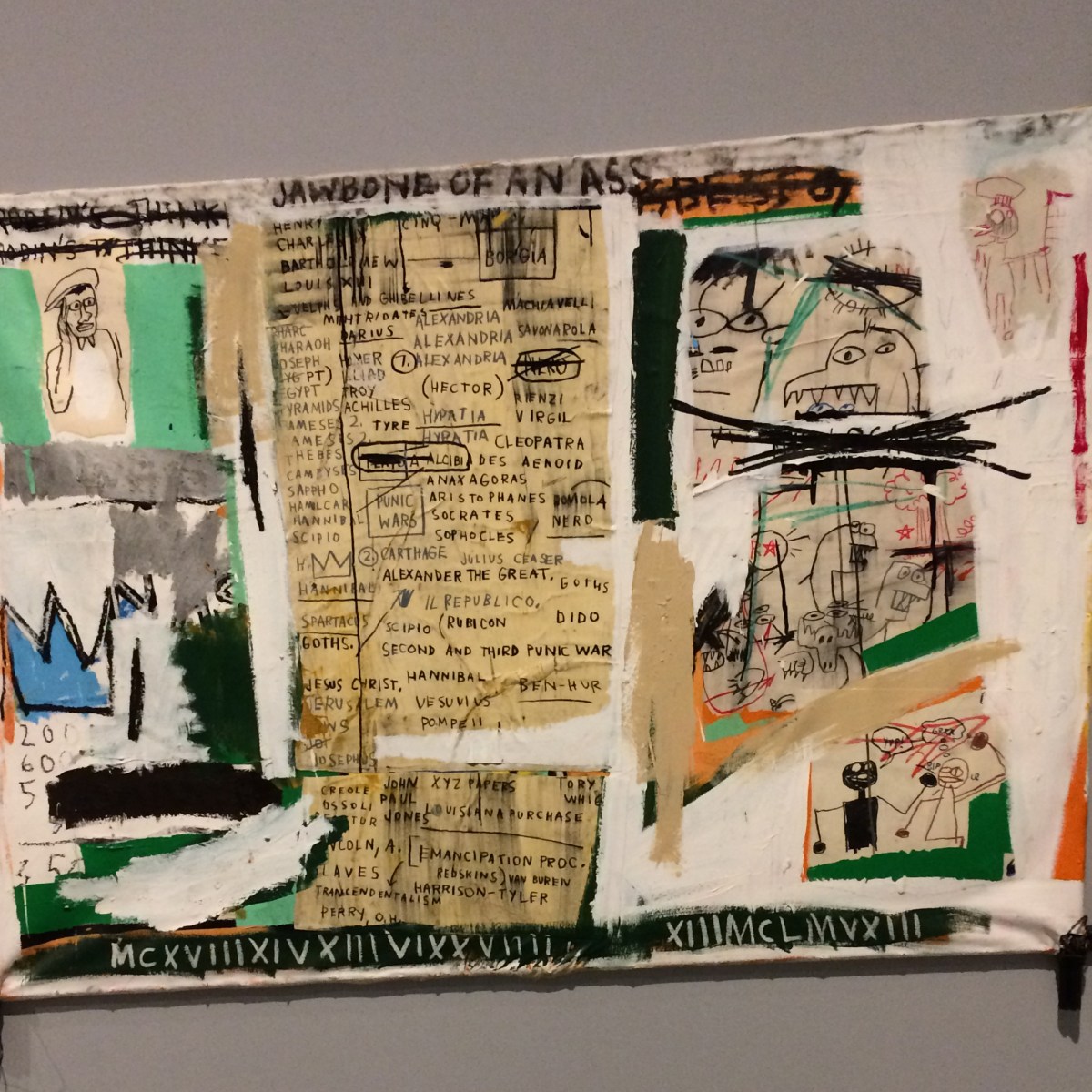
Boom for Real, the Barbican’s celebration of Jean-Michel Basquiat was a revelation. More than 100 works were exhibited to celebrate the life and works of this seminal artist. In my review, I unpicked the contested legacies of ancient history and classicism in the art.
The first of the regular posts.

- Egyptian Architecture around London
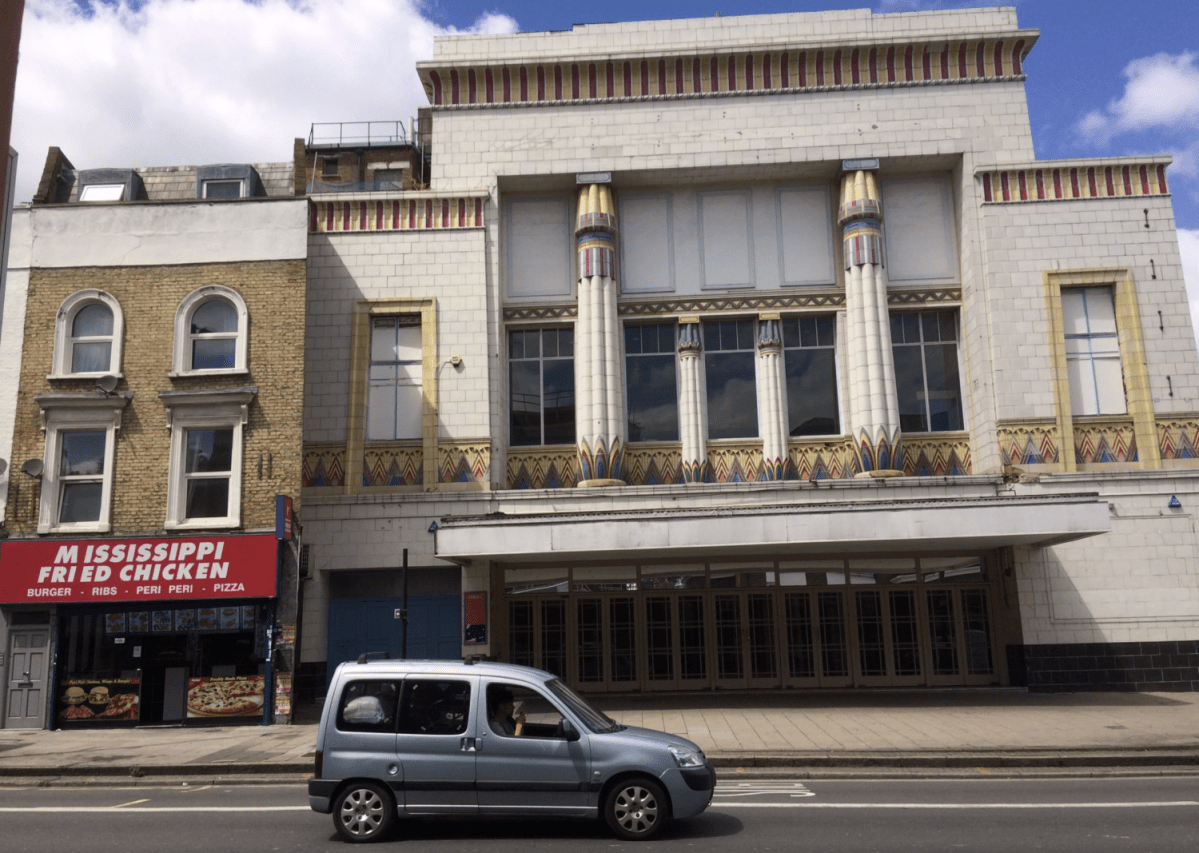
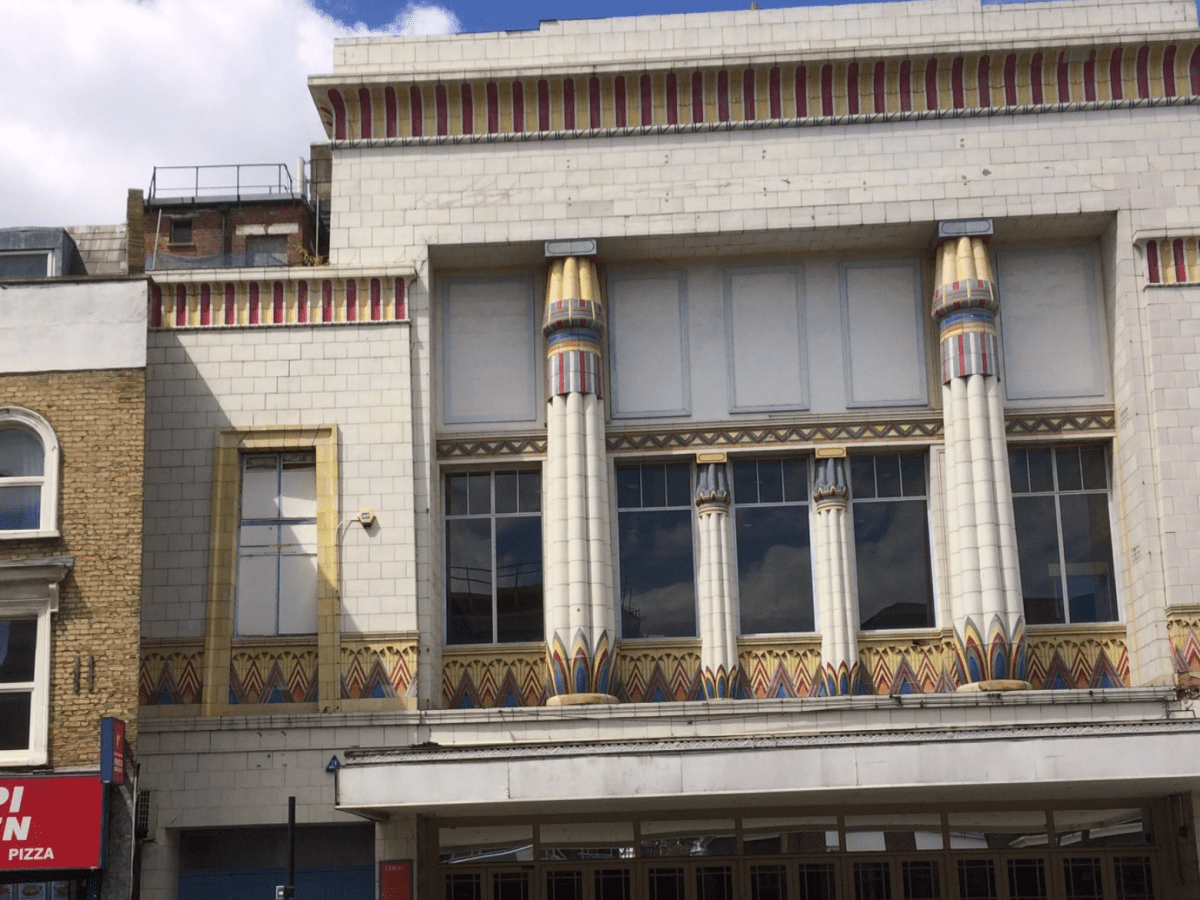
Classicism is often seen as a celebration of Greek and Roman art only, but as I have constantly argued other ancient cultures are part of the classical spectrum including ancient Egypt whose style have had an enduring impact on the street view of London.
- Review of Psuedo-Methodius
These last eight years have sometimes felt like the end times. If only we had a roadmap for navigating our way through? The Apocalypse of the Psuedo-Methodius was written in the Seventh century CE in the Syriac language. Combining various strands of thought it provides a blow by blow account of the end of the world, culminating with the release of ‘Gog Magog’.

- Arabic Egyptology
Scholars in medieval Egypt engaged with the archaeological remains and may even have been able to read the hieroglyphs, according to Okasha El Daly.
- Egyptian Surrealism
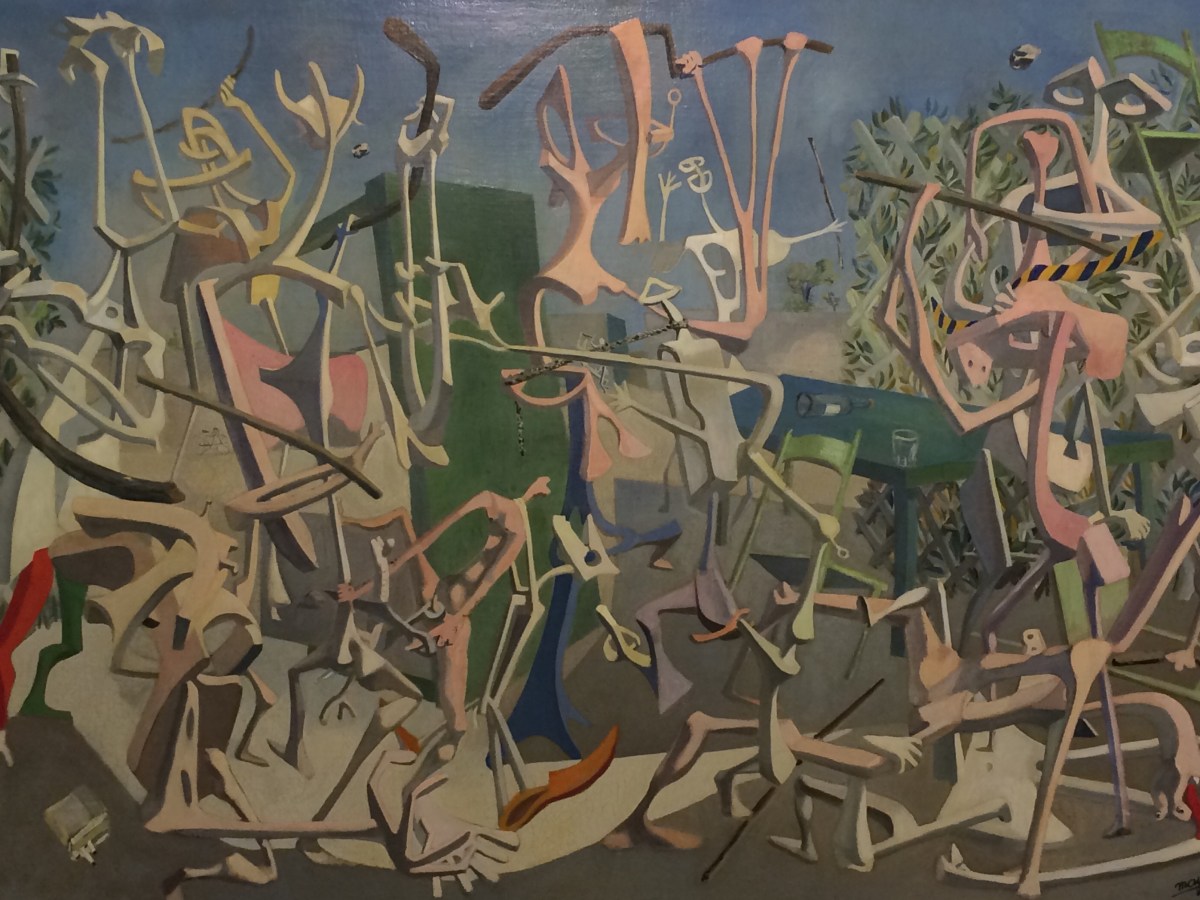
The Egyptian art collective Art et Liberté: anti-fascist, anti-nationalist and anti-imperialist (the Times art critic was not a fan of the exhibition!) created disturbing, thoughtful and sensual art which, inspired partly by surrealism, also addressed the contemporary political situation of the times.
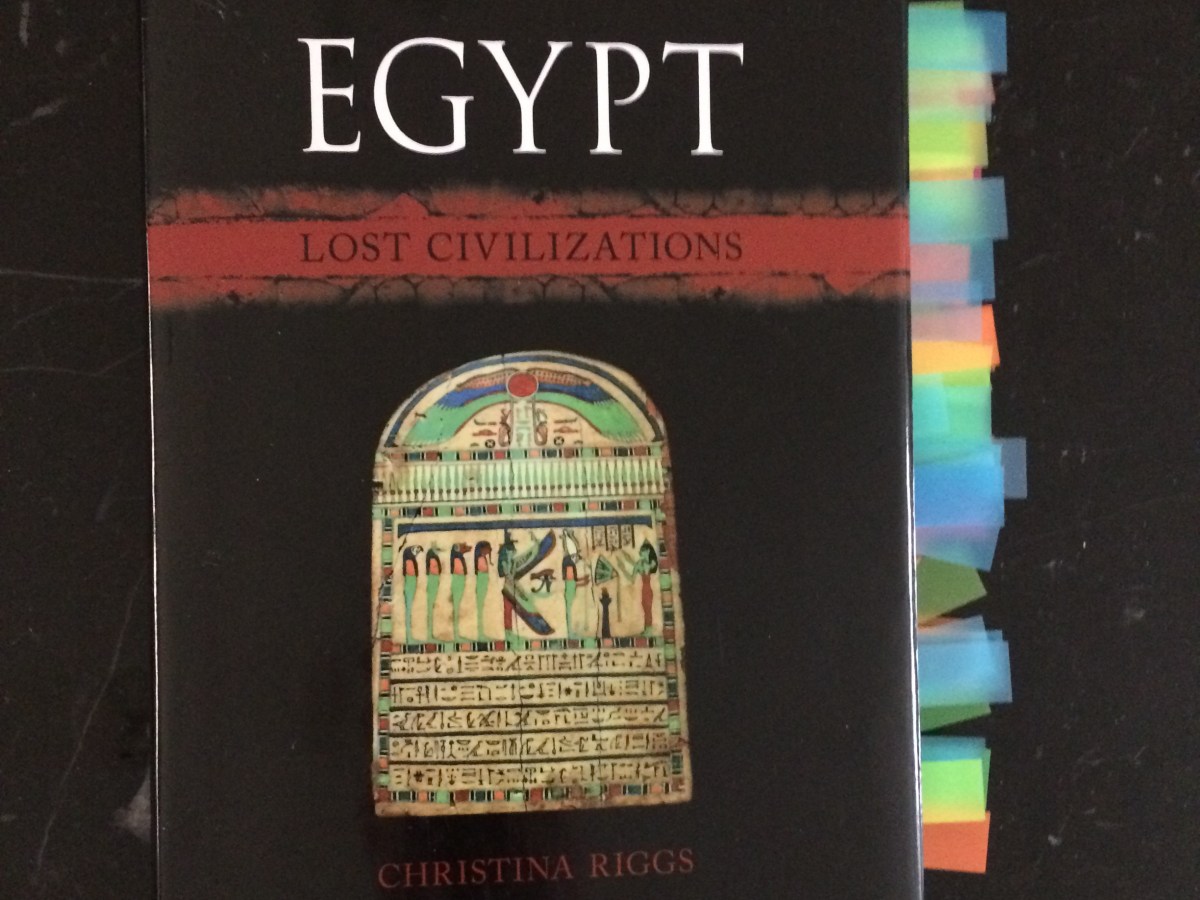
- Egypt: Lost Civilizations by Christina Riggs
The first book review published on the blog, Egypt: Lost Civilizations by Christina Riggs examined the history and legacy of ancient Egypt in clear and uncompromising language. A brilliant introduction to the topic. Reviewing this made me address my own assumptions.
- Roman Dead
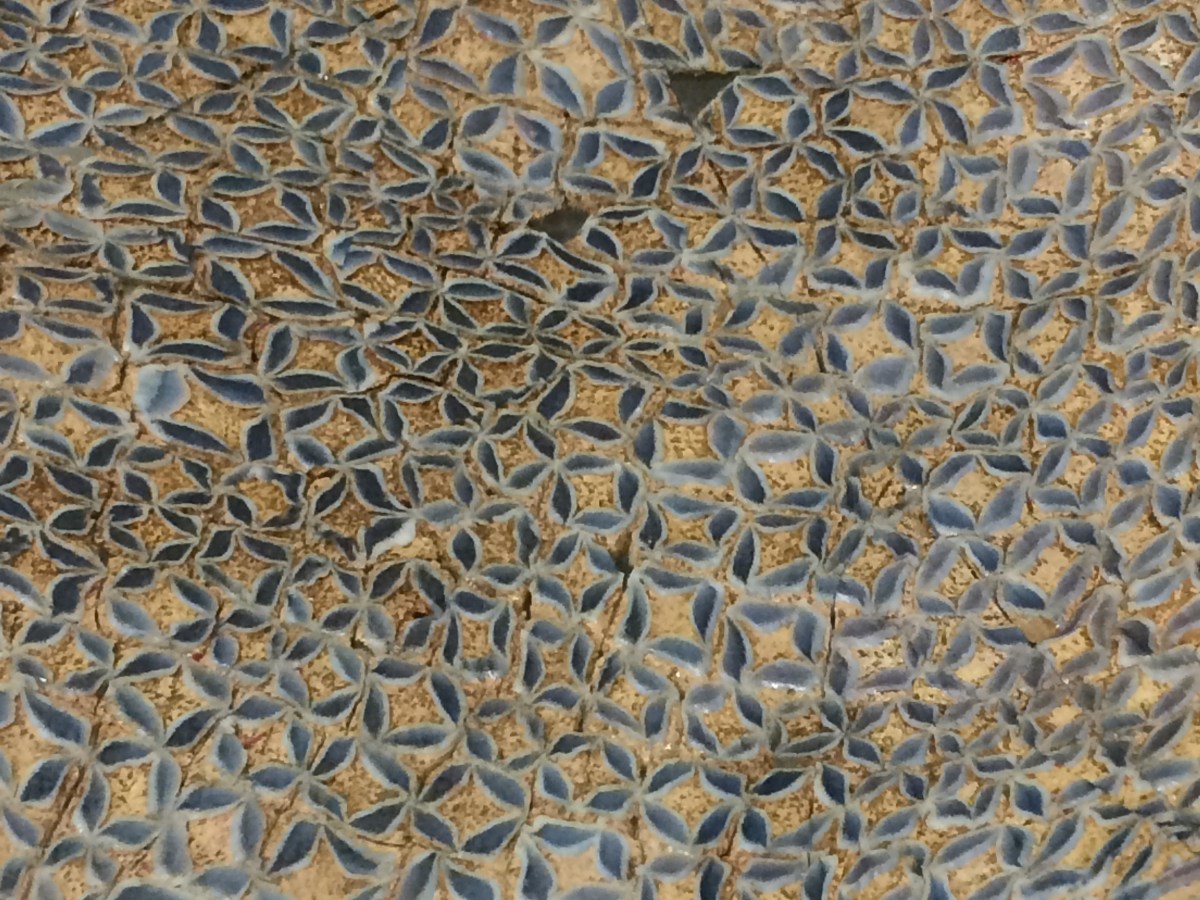
A small exhibition examining the findings of the Museum of London’s Archaeology team (MOLA), this exhibition in the Docklands also contained the findings of a grave which contained four lamps, three of which showed the egyptian god Anubis. This exhibition got me to thinking about this and years later I am now researching the spread of Anubis across the Roman Empire for a PhD. I am not sure if this is positive, but it certainly had a major impact on my life.
- Thomas Cole Exhibition
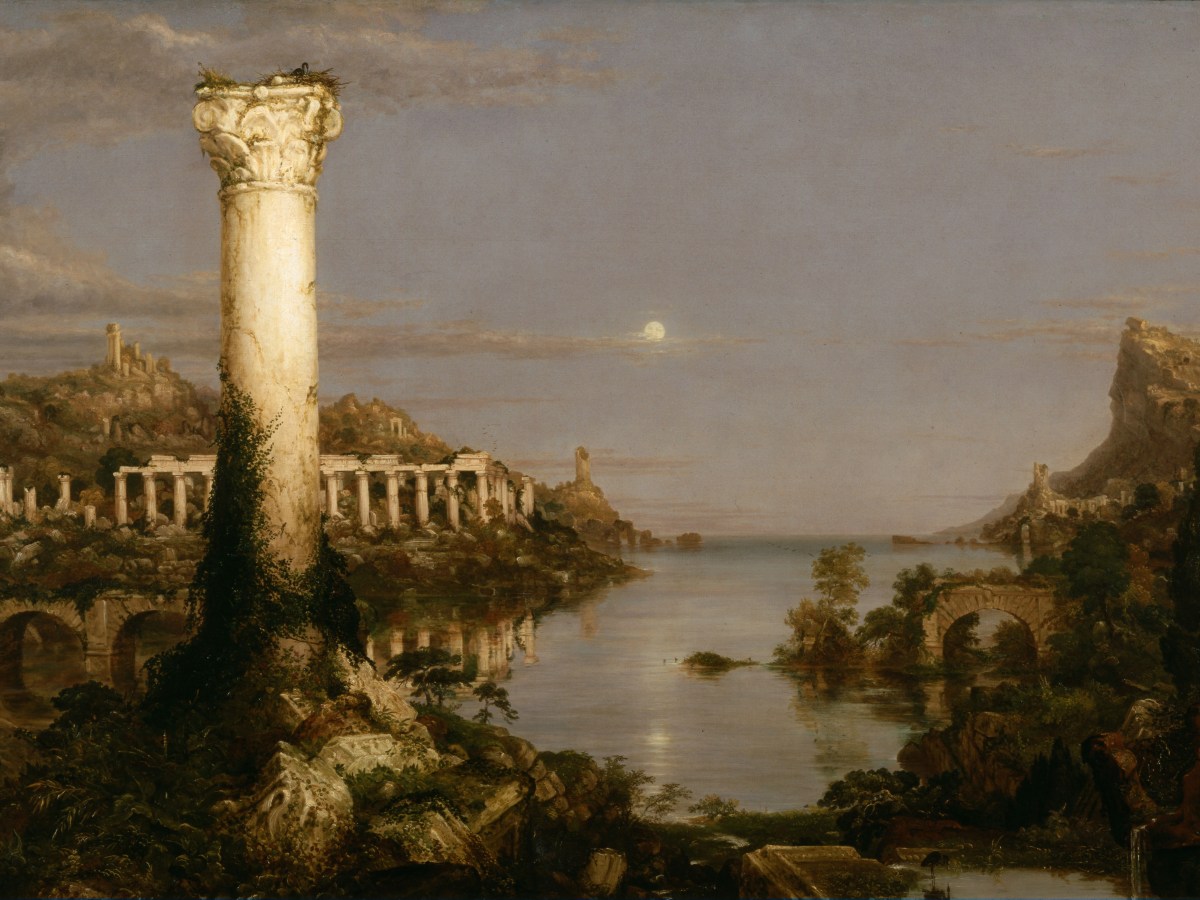
Not a single day goes by without someone using one of the paintings from the great Course of Empire series to illustrate some classical theme or the other. Painting 4: ‘Destruction’ in particular is beloved. A classical city of white marble columns burns in a literal firestorm. The people flee in a panic. A symbolic painting to which people can add their own meaning. The most important image is perhaps ‘Desolation’, which shows nature recovering from the spoliation of man.
- Tutankhuman at Saatchi
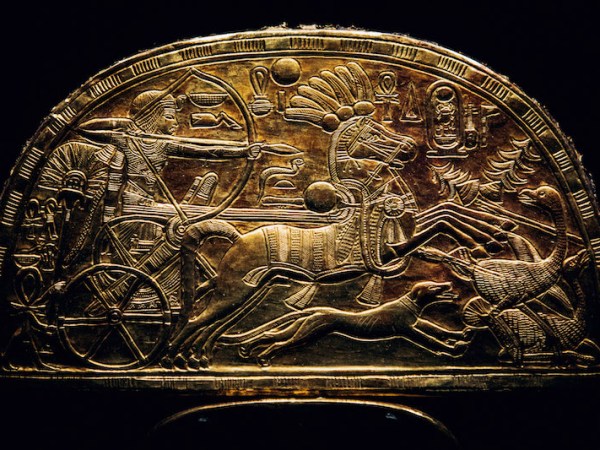
November 2018, Saatchi Gallery in London, Tutankhamun, crowds and crowns, gold, alabaster, delicate furniture.
- Post Modern Egyptomania
The playful Egyptian inspired architecture of the late twentieth century. One of my hobbies is finding lovely little bits on buildings in London. A less celebrated part of ‘Egyptomania’.

- Simon Magus
I have always been interested by those shadowy figures, the supporting characters in other people’s stories. Simon Magus – a magician mentioned in Acts – is a fascinating figure of ancient literature. Although he was quite possibly a ‘real person’, we ultimately only have evidence for him from ‘literary’ texts. Analyzing these texts however, reveals a strong character who (to use a favorite cliche) should have his own Netflix series.

- Snakes in the ancient world
If snakes had language, what tails would they tell each other? Perhaps in their myths they too remember the Garden or when they were worshiped by the Egyptians, the Pompeians, the Ophites.

- I, Claudius
Although I claim to be an ancient historian, my understanding of an important period of Roman history is still shaped by Robert Graves’ two novels and the TV series they inspired. Has there ever been a better ‘girl boss’ than Livia, the wife of Augustus? These books should not be treated as ‘historical fact’ but they are nevertheless brilliant.
- Class and Classics
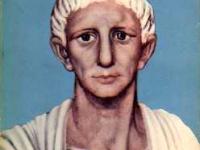
Classics can be perceived as an elite topic. In the UK, the Russian-backed politicians Boris Johnson and Jacob Rees-Moog perhaps symbolize this best. Other micro-aggressions are perpetrated by the public school educated university-employed gate keepers. Anyway this is an important book on how working class people in the UK and Ireland have taken part in the study and reception of ancient history.
Reviewing this book may me think about my own position in the field.
- Baroque Egyptology
2022 and everyone was banging on about Champollion and Howard Carter: two men who deserve credit for their contributions to Egyptology. But Egypt was studied by European historians in the early modern period. Their inability to read hieroglyphs led to some mistakes but their contributions are still important.

- Beyond Egyptomania
Ancient Egypt has allured everyone from Empresses to monks and has never been truly forgotten or lost from the cultures of the world. What can objects tell us about this legacy?
- Werewolf in the Ancient World by Daniel Ogden
A question for all so called ‘scientists’: why are there so many tales of werewolves from ancient and medieval sources? Could it be Ancient Aliens? No, but I will go on the show for the right amount of money to say this in a more ambiguous way. I am not proud.
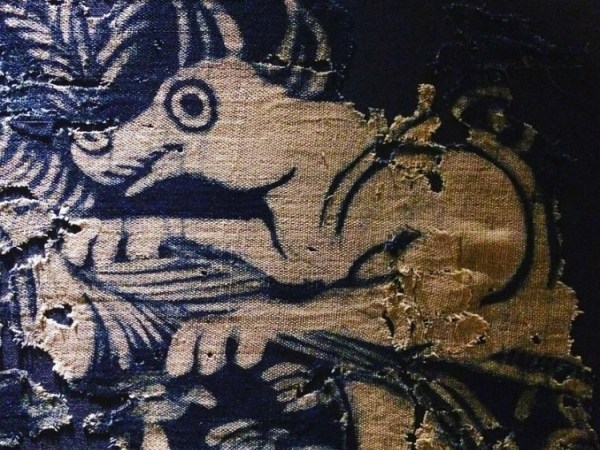
Returning to topic, Daniel Ogden collects and analyses the many wolvish tales arguing that perhaps they reflect the wolf’s liminal position in society. A wide-ranging and insightful study, that on reflection is the book, reviewed for this blog, that has stayed with me.
- Pablo Bronstein
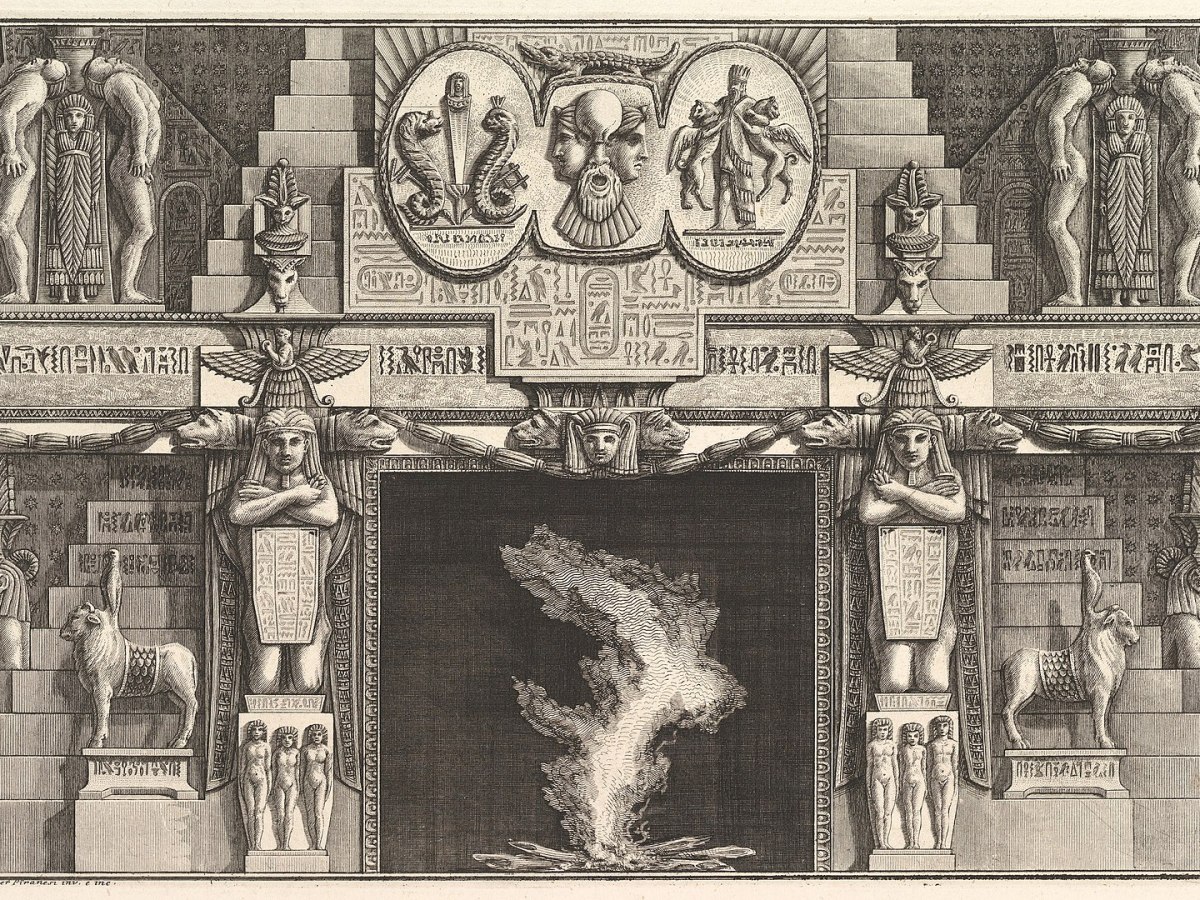
We loves Pablo. Over the years we’ve reviewed many of his installations. The recent exhibition in the Soane Museum was one of the best. Layered paints and layered meanings. A critique of contemporary society which is all the more impactful because it understands the allure of contemporary capitalist society.
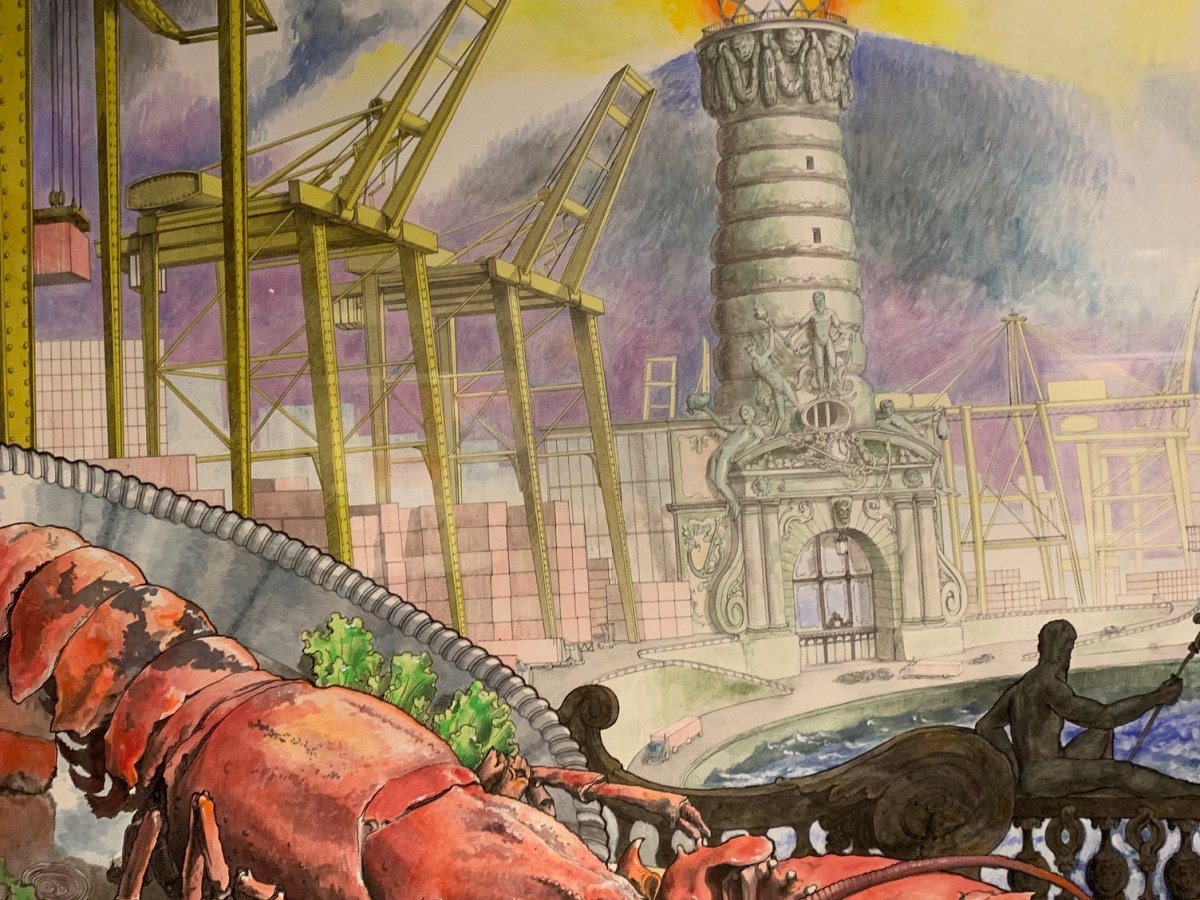
- Isis Pelagia
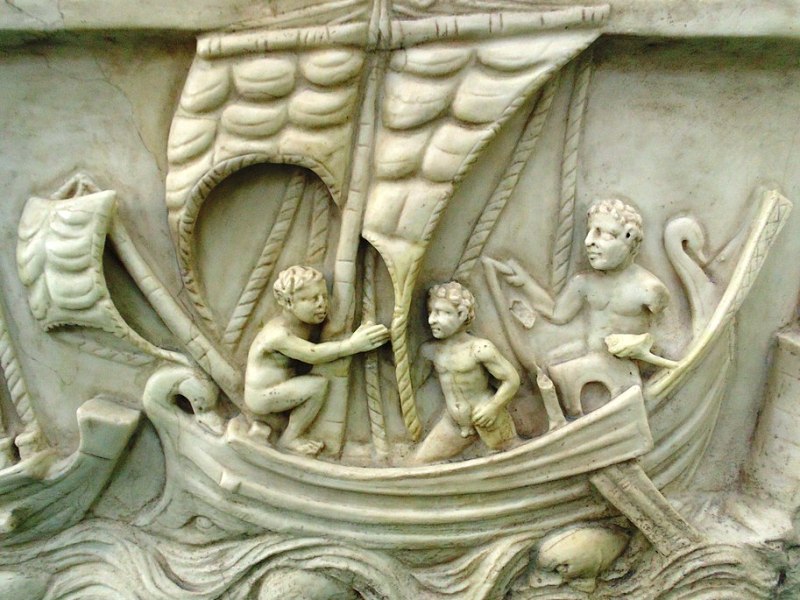
An important question for historians: why did the goddess Isis become the goddess of the seas in the Roman period?
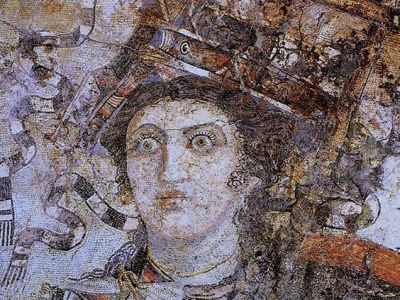
- Cats in the ancient world
Cats are associated with ancient Egypt, yet how they were received in other ancient societies reveals something about the societies.
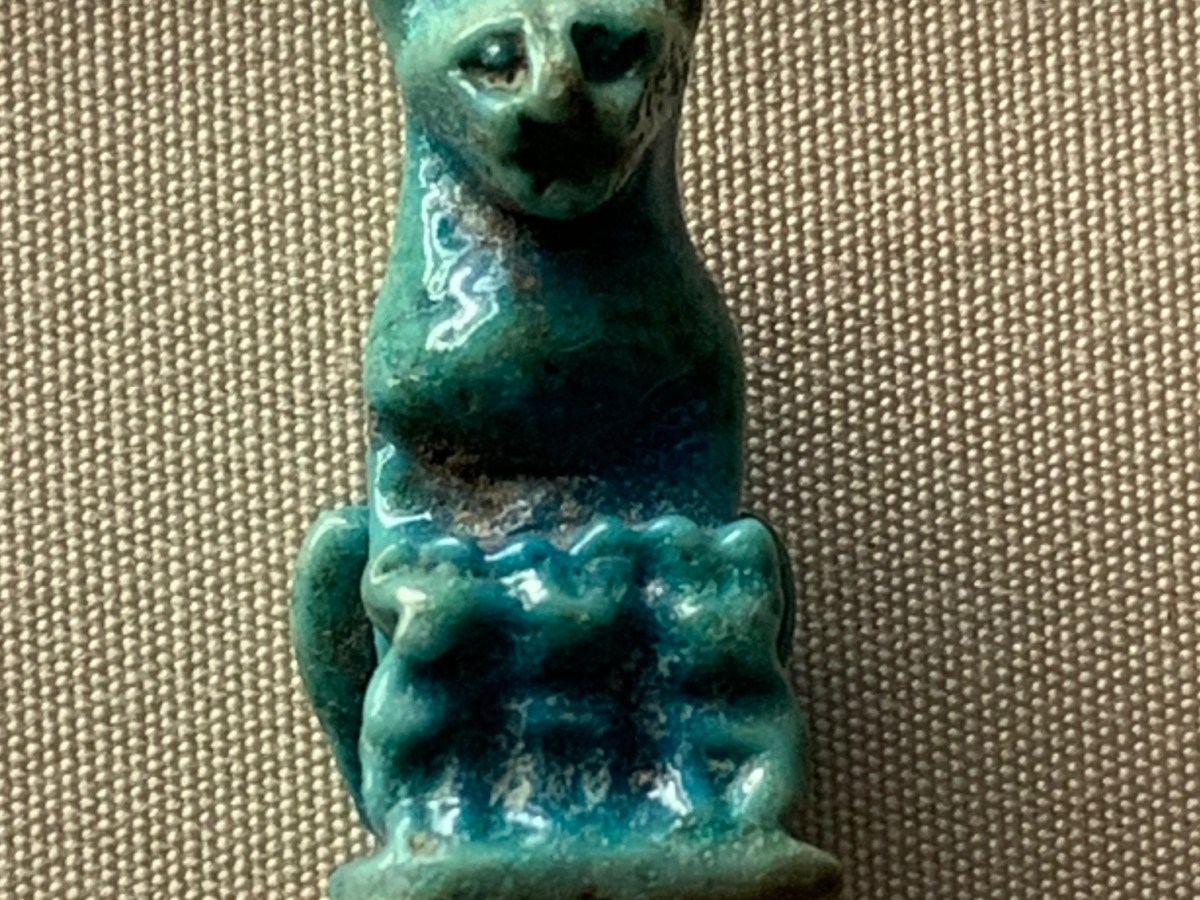
- Aleister Crowley
Fairly or unfairly, the magician Aleister Crowley still has a reputation, but he is a fascinating and misunderstood figure whose engagement with ancient Egyptian religion deserves deeper academic study.
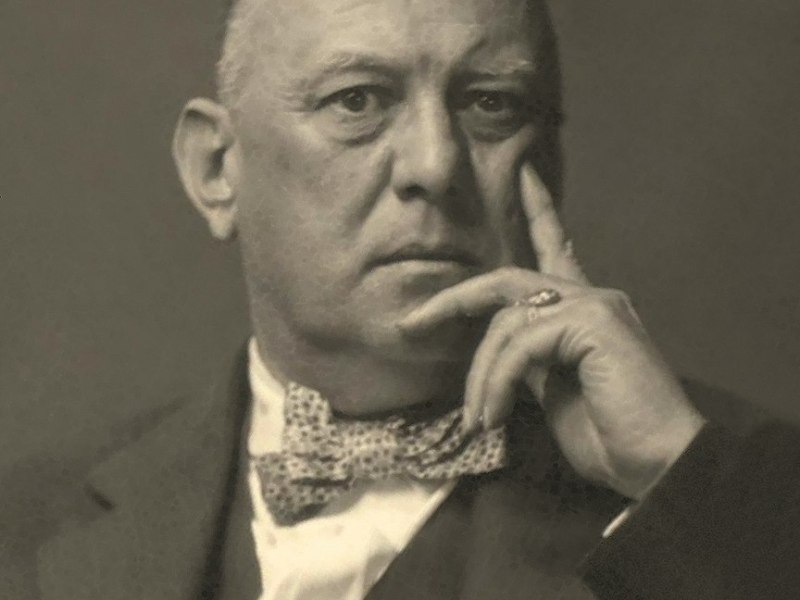
- The Last Days of Pompeii
Edward Bulwer-Lytton’s High-Victorian novel of the Vesuvian eruption still informs the way we think about Pompeii. This book is absolutely crying out for a Netflix-style reimagination.

- Thermae Romae
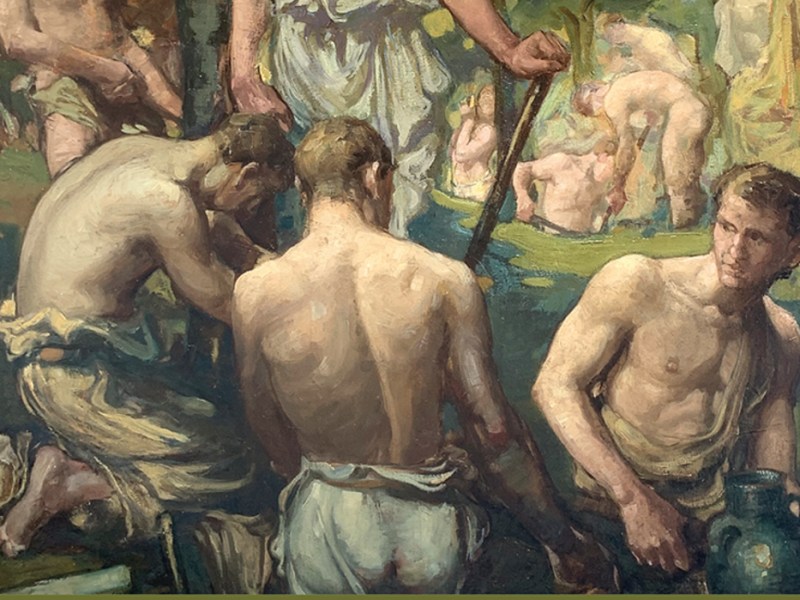
A beautifully drawn book that explores Roman and Japanese bathing cultures. It raises important questions.
- Dog Days
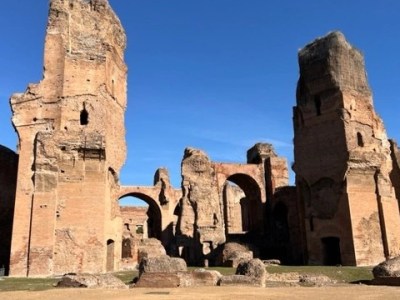
What is the meaning of the ‘dog days’ and how did ancient cultures understand them differently?
- The Bow Sphinx
A mysterious object in the Fitzwilliam Museum that has haunted me since I first saw it several years ago. This short article is my first attempt at working out why an 18th century actress was depicted as a rococo sphinx.

26. Peter Brown
My relections on the great late antiquarian’s memoirs. An inportant influence on my approach to history, here I learnt what made him tick. TLDR: photocopiers.
27. Delos
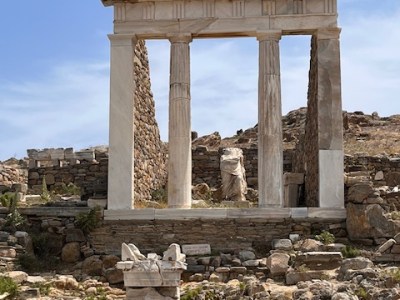
I have also said to understand the contemporary world, one must understand antiquity and to understand antiquity in all its complexity one must fully comprehend the spread and role of the goddess Isis across the ancient Mediterranean. The holy island of Delos is critical to this study.
28. Re-reading the Golden Ass
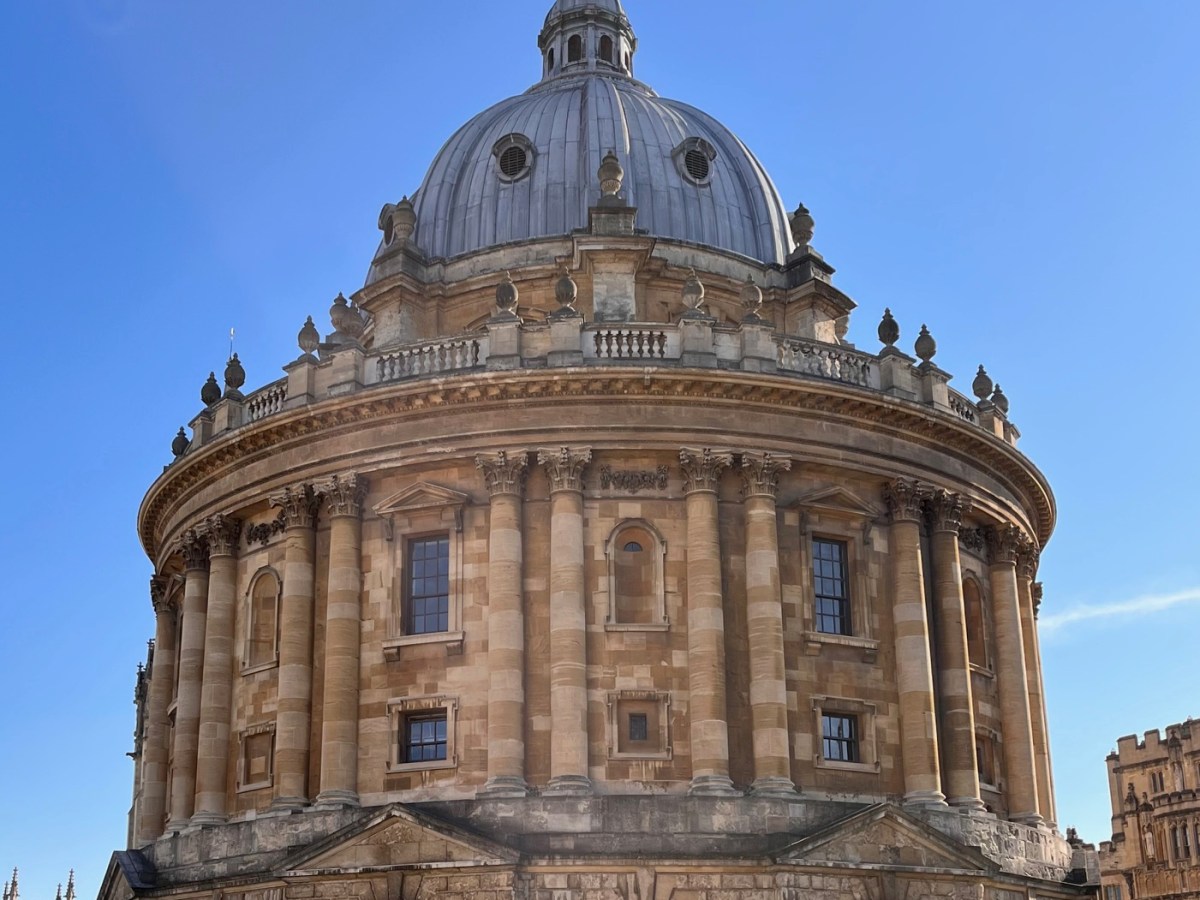
Re-reading the Latin author Apuleius in what may well be his 1900th anniversary for the first time for over a decade and thinking things over.
What was your favorite article? Please share in the comments below.
 Rhakotis