High in the Campanian foothills, where the air is fresher and the light clearer, Benevento has a shadowy history.
Known as the city of witches, the meeting place for Italian covens, you still walk carefully, expecting the streghe to fly down from the heavens and clutch you from the streets which still follow ancient paths.
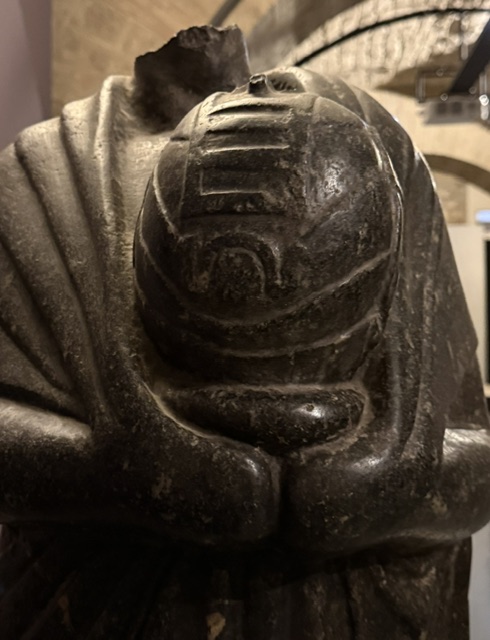
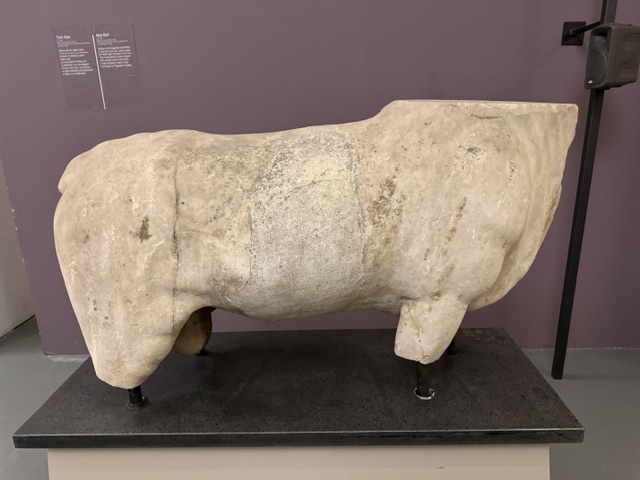
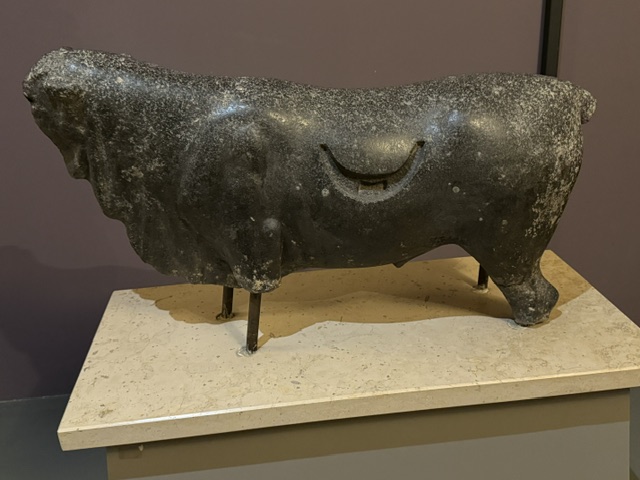
But this is not the dark mystery at the heart of this labyrinthine city, rather the black diorite, porphyry and marble sculptures of ancient Egyptians gods and beasts found shattered at the bottom of its medieval walls.
Description
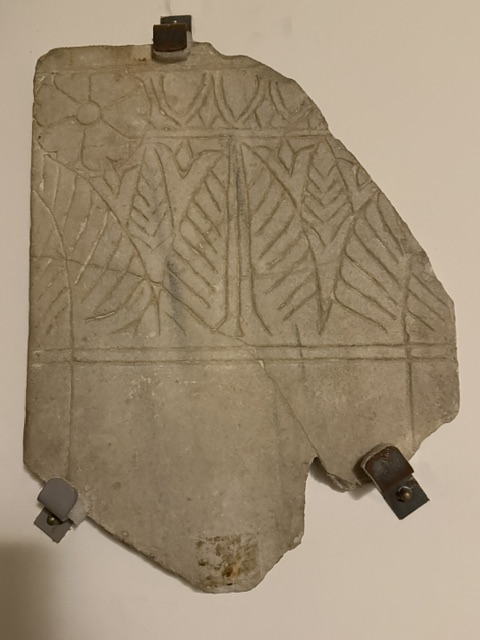
Discovered at the turn of the twentieth century, the statues come from a temple to the goddess Isis. Although the building itself has not been found, what survives, suggests it was made to look Egyptian.
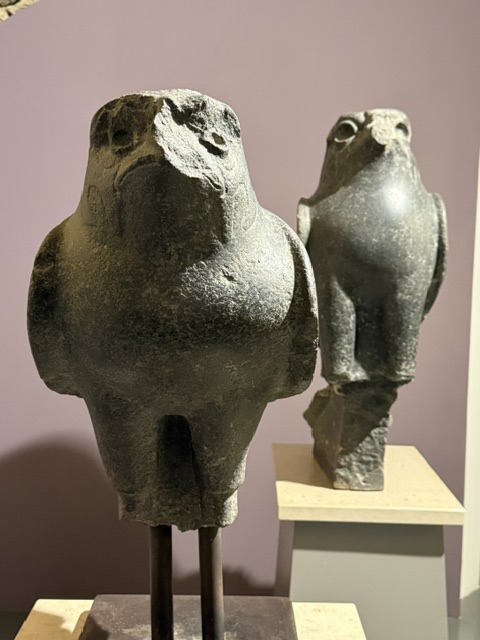
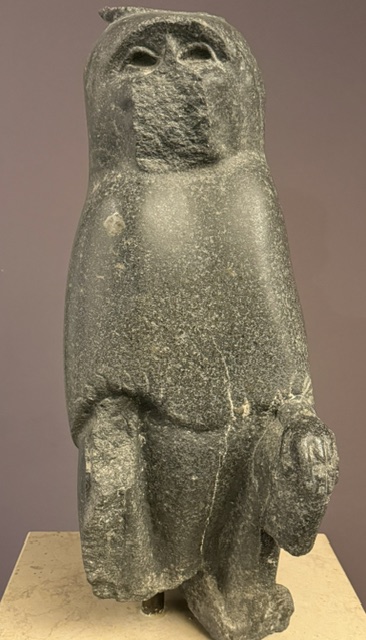
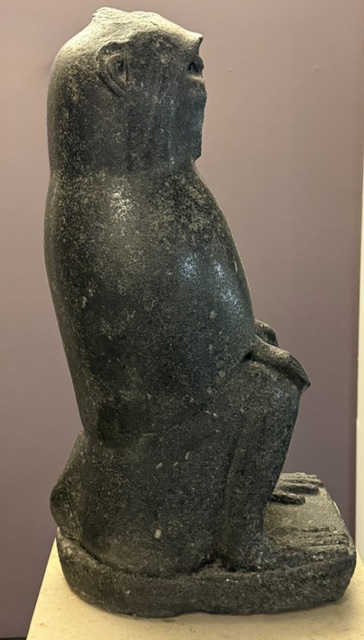
We have obelisks, statues of sphinges, worshippers, priests holding canopic vases, large falcons and baboons.
Fragments of relief survive, but we might also imagine some form of wall painting and even the planting of Egyptian plants like palms.
In addition, we should imagine processions and rituals. The statues that survive, were possibly placed within a processional way, similar to the dromos in the large temple to Serapis on Delos.
The falcons and baboons are interesting. In Egypt, they would have been understood as gods (Horus and Thoth), but these figures are rarely attested in inscriptions. This, plus the fact there are multiple versions, may suggest that they were not identified as gods per se, at Delos, but just decoration.
However, if we think about the Isis temple in Pompeii, some paintings had a religious intent. For example, the room identified as a sacrarium depicts Egyptian gods, animals and scenes taken from traditional Egyptian mythology, while the more publicly accessible dining hall has a standard scene from Greek mythology, albeit one with Egyptian resonances. Some scholars, including myself, read this as evidence of different levels of access within the Pompeii temple. Possibly Benevento was similar in this.
The layout of the city’s Arcos Museum (which also hosts contemporary art installations) offers a sense of the increasing levels of sacredness. It culminates in a final room with statues that may have received veneration.
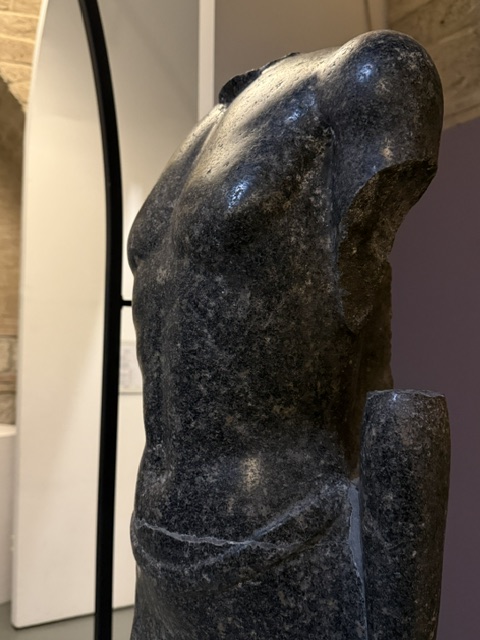
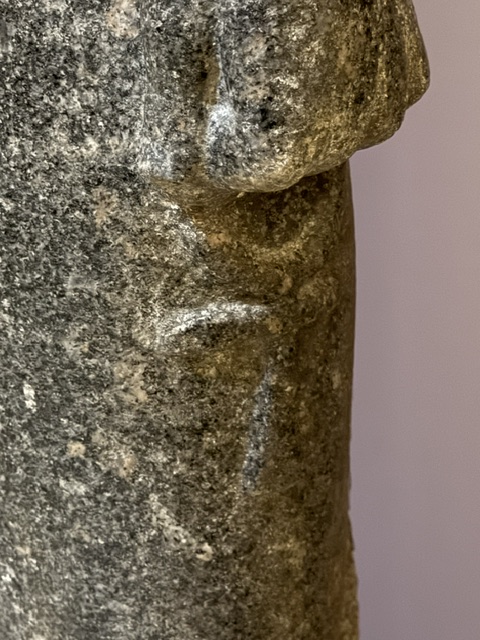
A headless statue of a male figure, from Benevento, has been tentatively identified as Anubis, based on similarities to a statue originally from Cyme (Pouzzoles) and today in Naples. He holds an ankh in his left hand.
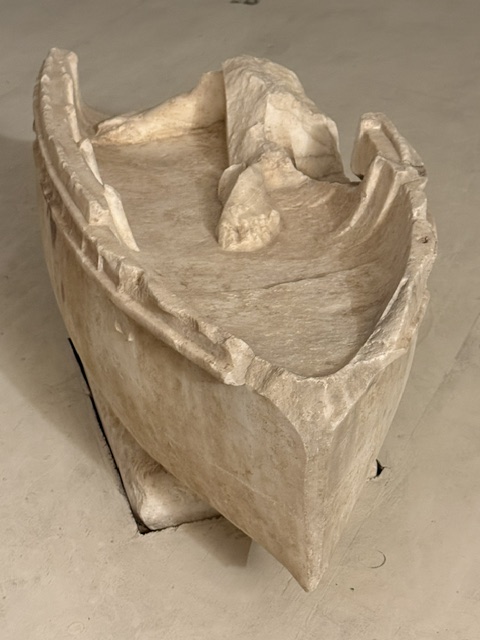
The first is the remains of a boat with two feet still visible. This has reasonably been identified as a statue to Isis Goddess of the Seas. It is curious, given that Beneventum is a relatively land-locked town, but it may be a thanks giving for a successful merchant.
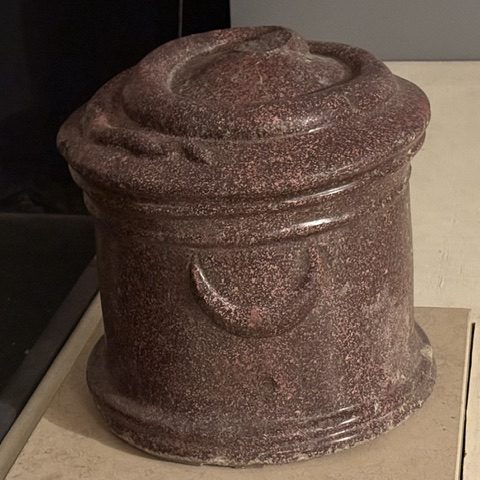
A stone sculpture of a ‘cista mystica’ was also found in the town. A basket with a snake emerging from it. Similar images have been found in wall paintings from Pompeii and the Aula Isiac on the Capitolone. Apuelius described items carried in procession, including two with clear parelells to the sculpture at Benevento:
a basket containing secret implements, concealed objects of great sanctity [… and] a little hollow urn, its surface engraved with Egyptian hieroglyphics, with a rounded base, an extended spout opened slightly like a beak, and a broad curving handle at the opposite side extending backwards deeply from which an asp, coiled in a knot, reared its scaly swollen neck on high.
History
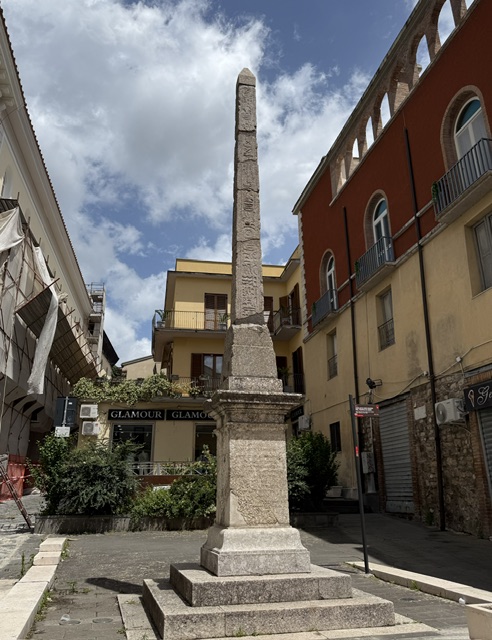
Within the town, there is a large obelisk which records the donation by one Rutilius Lupus, an imperial legate and local big man. He dedicated it to the emperor Domitian.
Domitian was known for his love of Egypt. He came to the purple during a fractious time following the fall of Nero. According to one account he hid from his political enemies, who wanted to kill him, in the costume of a priest of Isis. His father, Vespasian, was acclaimed as emperor in Alexandria, while serving in the east of the empire. A fairly down to earth man, for an all powerful ruler, he seemed to have had a soft-spot for the Egyptian god Serapis. Vespasian and his other son, Titus, spent the night, before their victory triumph in Rome, in the city’s major temple to Isis in the Field of Mars.
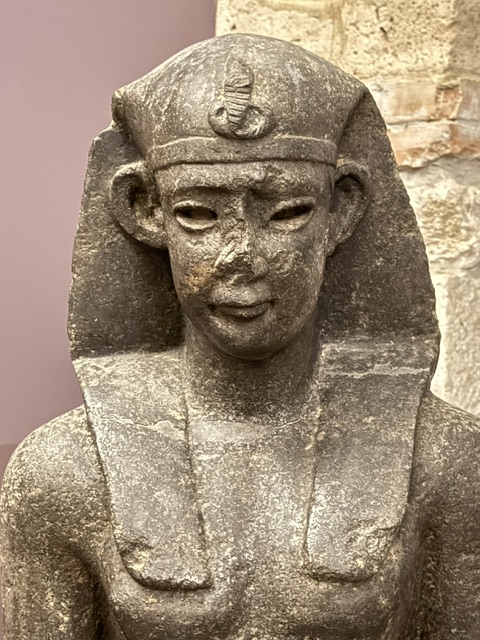
As emperor, Domitian may have supported the cult to the Egyptian gods. He restored the Isis temple in the Field of Mars following a major fire. The large falcons, baboons, sphinxes and more, which are still the star pieces in Rome’s museums, likely come from this site and may date to his restoration.
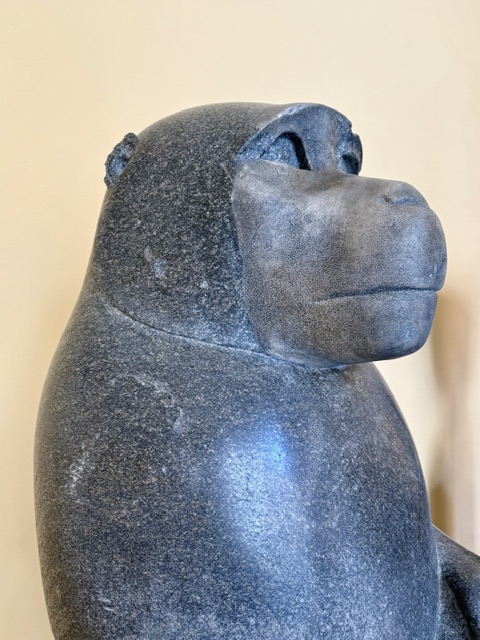
Even though the temple site in Beneventum was smaller than Rome’s, the surviving objects are the equal to this collection in richness.
Speculation has grown that Domitian met his father and eldest brother at Beneventum, and this is why a temple was set up and dedicated to the Egyptian gods.
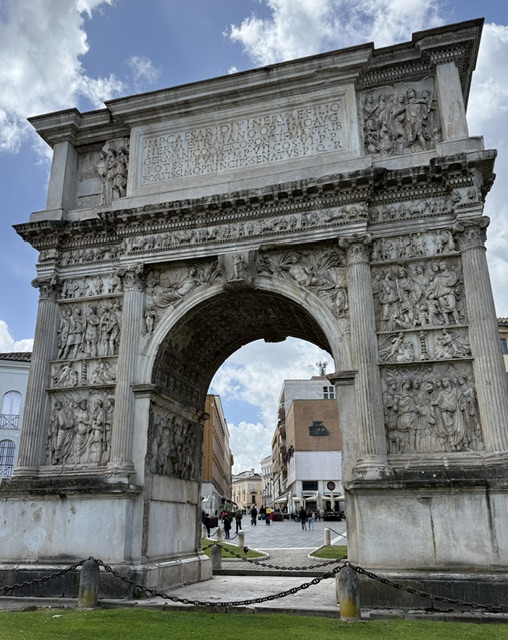
Even if this was not the case, the city was strategically important on the key road, the Via Appia from Rome to Brundisium on the Adriatic coast. Decades later, the Emperor Trajan erected a victory arch, and initiated a new road, the Via Appia Trajania.
Summary
Whether the ancient Temple of Isis inspired local practices which were practiced long after Christianity became dominant, whether the presence of the temple led to an association with witches, or whether the city’s later reputation developed by chance is hard to reconstruct with any certainty. But what we know for sure is that the temple would have been a local landmark in antiquity, likely visited by travellers on their way to or from Rome.
Today, a pleasant train ride from Rome, the city of Beneventum is worth the trip for the archaeology alone, but the view of the hills and rivers, the taste of Strega (the local spirit) and the success of the local football team, recently promoted to Serie B, all add up to a magical trip.